
When we partner with schools to set up STEM Clubs, our goal is simple: to create learning spaces where students feel confident to experiment, make mistakes, and build real solutions using technology. Across our clubs in Kenya, Calliope Mini has become the centre of this experience, small enough to be approachable, yet powerful enough to unlock robotics, automation, and introductory AI concepts.
For many learners, their first interaction with Calliope Mini begins with a blinking light. While simple, this project marks a powerful moment: students write their first lines of code and instantly see the results on the device. One learner described how this small success changed how they felt about technology for the first time.
These early wins build confidence and show learners that coding is not abstract, it’s something they can see, touch, and control.
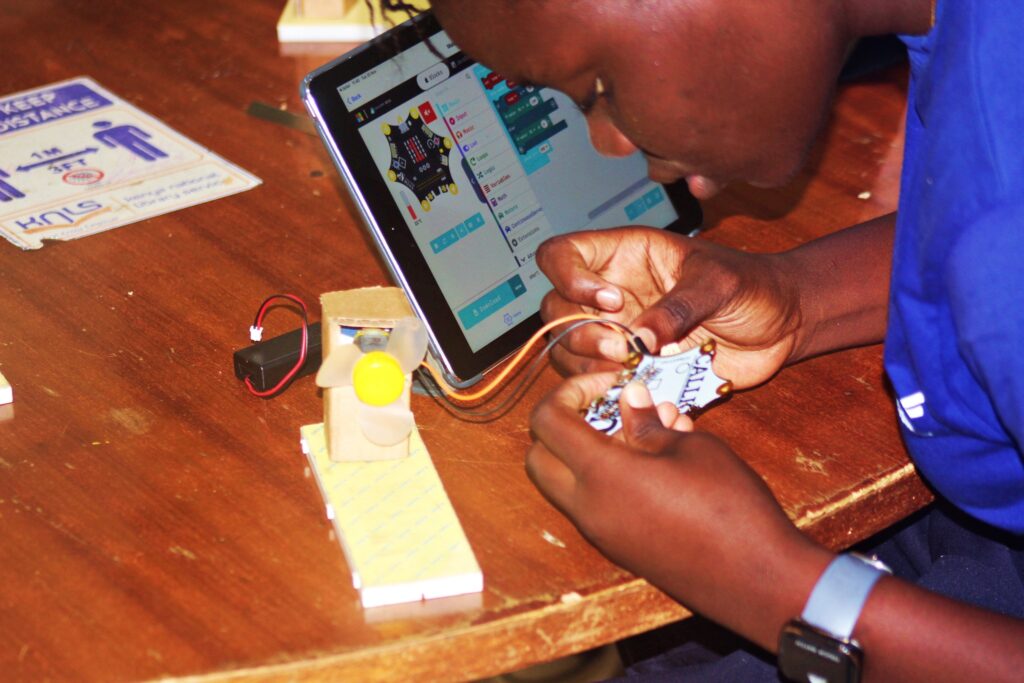
As students progress, their projects become more closely connected to everyday life. Using sensors and logical conditions, learners build smart fans that automatically turn on when temperatures rise. Through this process, students begin to understand how automation works in real homes, schools, and offices. According to one teacher from a partner school, these projects fundamentally change how students view technology.
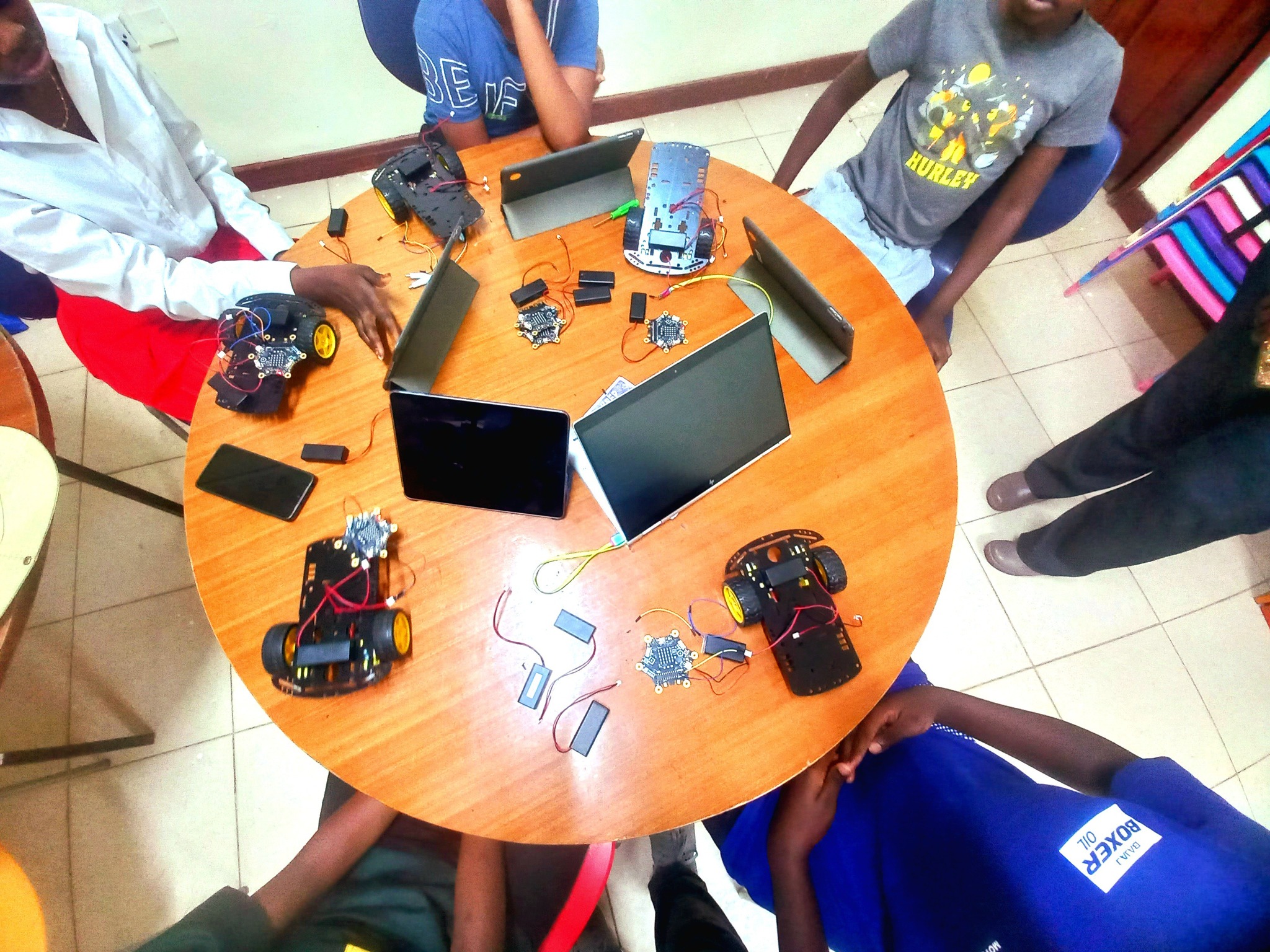
Robotics projects, such as building and programming robot cars, introduce learners to motion, control, and teamwork. Students test their ideas, encounter challenges, debug errors, and try again, developing persistence and collaboration skills along the way. One student reflected on how overcoming early failure helped them see learning differently.
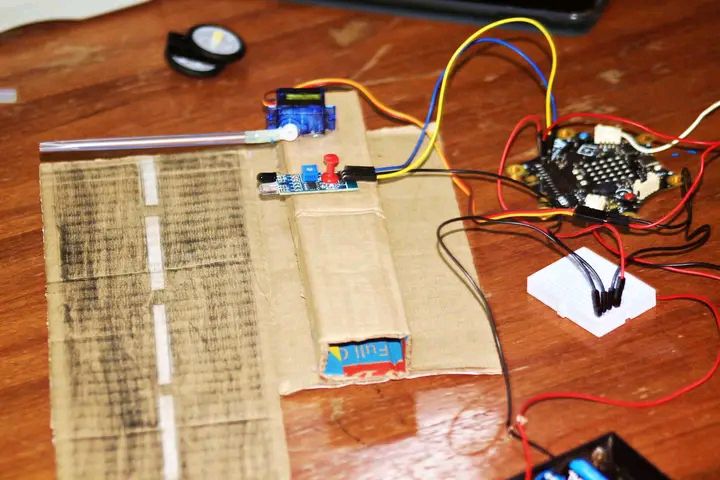
These experiences closely mirror real engineering processes and help prepare students for future technical studies and careers. Students also work on solutions that respond to challenges within their own school environments. Projects like automatic classroom doors and smart gates allow learners to explore security, accessibility, and safety while applying more advanced logic and sensor control. A teacher observed that these locally relevant projects create a strong sense of ownership among learners.
Across all these projects, Calliope Mini has proven to be a powerful learning tool for Kenyan classrooms. Its simplicity allows beginners to start quickly, while its flexibility supports deeper exploration as students grow. More importantly, it helps learners see themselves as creators, not just users of technology.
Ready to start building with Calliope Mini? Whether you are a school, teacher, parent, or young maker, you can join our growing community of innovators. Explore Calliope Mini projects , access learning resources, and discover how Calliope Mini can bring hands-on robotics and coding to your school or community.